

round led mirror bathroom
Pomiar za pomocą przyrządów pomiarowych w produkcji W każdym procesie produkcyjnym precyzja jest kluczowym elementem, który ma bezpośredni wpływ na jakość końcowego produktu. Aby osiągnąć wysoką jakość i zgodność z wymaganiami, przemysł często korzysta z różnorodnych narzędzi pomiarowych. Wśród nich szpilki pomiarowe (measuring pin gauges) odgrywają istotną rolę, zwłaszcza w kontroli wymiarów elementów mechanicznych. Czym są szpilki pomiarowe? Szpilki pomiarowe to specjalistyczne narzędzia wykorzystywane do pomiaru średnic otworów, rowków oraz różnych kształtów. Zazwyczaj wykonane są z materiałów o wysokiej twardości, takich jak stal narzędziowa lub węglo-stalowa. Ich konstrukcja pozwala na dokładne pomiary dzięki specyficznej geometrii, która umożliwia precyzyjne wprowadzenie szpilki do mierzonych elementów. Zastosowanie szpilek pomiarowych Szpilki pomiarowe znajdują zastosowanie w wielu dziedzinach przemysłu, w tym w motoryzacji, lotnictwie, produkcji maszyn oraz w rzemiośle. Używane są do 1. Kontroli jakości Pomiar wymiarów końcowych elementów maszyn jest niezbędny, aby upewnić się, że spełniają one określone normy i standardy jakości. 2. Testowania tolerancji Tolerancje są kluczowe w procesach produkcyjnych. Szpilki pomiarowe pomagają w ocenie, czy wymiary mieszczą się w zaakceptowanych granicach tolerancji. 3. Przygotowywania elementów do obróbki Przed przystąpieniem do kolejnych etapów produkcji zazwyczaj wymagane jest potwierdzenie, że wymiary są prawidłowe. Użycie szpilek pomiarowych pozwala na szybkie i efektywne wykonanie takich pomiarów. measuring pin gauge Jak działa proces pomiaru? Pomiar za pomocą szpilek pomiarowych odbywa się w kilku krokach 1. Wybór odpowiedniej szpilki W zależności od wymiaru, który ma być mierzony, wybiera się szpilkę o odpowiedniej średnicy. 2. Wprowadzenie szpilki Szpilka jest wprowadzana do otworu lub na powierzchnię, która ma być mierzona. Ważne jest, aby robić to z odpowiednim naciskiem, aby uniknąć uszkodzenia zarówno szpilki, jak i mierzonego elementu. 3. Odczyt pomiaru Na podstawie oporu, jaki stawia włożona szpilka, można ocenić, czy wymiar jest zgodny z wymaganiami. Jeżeli szpilka idealnie wchodzi do otworu, oznacza to, że wymiar jest właściwy. Jeżeli występuje opór, oznacza to, że wymiar jest mniejszy. Zalety stosowania szpilek pomiarowych Użycie szpilek pomiarowych ma wiele zalet. Po pierwsze, są one stosunkowo tanie w produkcji i łatwe w użyciu. Po drugie, pozwalają na szybkie i efektywne pomiary, co przyczynia się do zmniejszenia czasu kontroli jakości. Dodatkowo, ich zastosowanie prowadzi do zwiększenia dokładności produkcji, co przekłada się na mniejsze straty materiałowe i wyższą satysfakcję klientów. Podsumowanie Pomiar za pomocą szpilek pomiarowych jest kluczowym elementem w zapewnieniu wysokiej jakości produktów w różnych branżach przemysłu. Dzięki ich wszechstronności i efektywności, są one niezbędnym narzędziem w procesach produkcyjnych i kontrolnych. Warto inwestować w tego typu rozwiązania, aby osiągnąć lepsze wyniki i zminimalizować ryzyko błędów produkcyjnych.
about
round led mirror bathroom
Precision Cast Iron Surface Plates The Cornerstone of Metrology Precision and accuracy are vital in the world of manufacturing and engineering, where even the smallest deviation can lead to significant errors in the finished product. One of the fundamental tools used in ensuring precision is the surface plate, particularly those made of cast iron. Precision cast iron surface plates are essential instruments that provide a stable, flat reference surface for various inspection, measurement, and layout tasks. What are Surface Plates? Surface plates serve as a flat reference plane that supports workpieces during measurements and inspections. They are used in a variety of applications, from machining and assembly to quality control. The accuracy of these plates is crucial; any irregularities on their surfaces can translate into errors in measurements taken from them. Therefore, the best surface plates are engineered to be as flat as possible. The Benefits of Cast Iron Cast iron is an ideal material for creating precision surface plates due to its unique combination of properties. It is not only durable and resistant to wear but also possesses excellent damping characteristics, which helps to absorb vibration and prevent disturbances that could affect measurement accuracy. Additionally, cast iron has a natural ability to maintain its shape over time, which is essential for preserving flatness. Manufacturing Process The manufacturing process of precision cast iron surface plates involves several critical steps. First, high-grade cast iron is selected to ensure the best quality. The casting process allows for the creation of large plates with uniform composition and minimal internal stress. After casting, the plates undergo a precise machining process where they are ground to achieve the required flatness and surface finish. To ensure maximum accuracy, the plates are typically ground in such a way as to obtain a surface finish that meets specific industry standards. The end result is a surface that offers a high degree of flatness, which is crucial for accurate measurements. precision cast iron surface plate Calibration and Maintenance To maintain precision, surface plates need regular calibration and maintenance. Typically, a surface plate should be checked for flatness at least once a year. This involves using specialized measuring equipment, such as electronic levels or dial gauges, to identify any wear or deformation that may have occurred over time. Proper care is essential to prolong the lifespan of a cast iron surface plate. Cleaning the surface after each use and applying a protective coating can help prevent rust and other damage. Additionally, avoiding the placement of heavy objects on the plate when not in use will lessen the risk of deformation. Applications Across Industries Precision cast iron surface plates find applications in numerous industries, including aerospace, automotive, and manufacturing. They are commonly used in quality control labs where they serve as a reference for calibrating measuring instruments. In manufacturing environments, they provide stability for workpieces while they are being machined or assembled. Moreover, in metrology and research settings, precision cast iron surface plates are crucial for experimental setups that require high accuracy. They serve as platforms for tool markers, gauges, and other instruments that need a reliable reference point. Conclusion In the realm of precision engineering, a cast iron surface plate is more than just a flat piece of material; it is a vital tool that ensures measurements are accurate and reliable. The unique properties of cast iron, combined with a meticulous manufacturing process, make these plates indispensable in various industrial applications. Regular maintenance and calibration are essential to preserving their precision. As industries continue to evolve and demand higher accuracy, the role of precision cast iron surface plates will undoubtedly remain a cornerstone in the field of metrology.
-

High quality industrial productsagement

High quality industrial products
View Details -

Meet the diverse needs of customers

Meet the diverse needs of customers
View Details -

Strict quality control

Strict quality control
View Details -

Top raw materials

Top raw materials
View Details -

Trusted supplier

Trusted supplier
View Details
Our application



news and information

Wichtigkeit der Genauigkeit in der modernen Mess- und Regeltechnik
Der Einfluss von Gauge C auf die moderne Technologie In der heutigen digitalen Welt spielen Präzisio

Valvola a ghigliottina 3 4 - Valvole di alta qualità per applicazioni industriali
Titolo La Valvola a Fune del 3% e del 4% Un Approfondimento sulle Valvole più Utilizzate . Ma cosa r
water shut-off valve
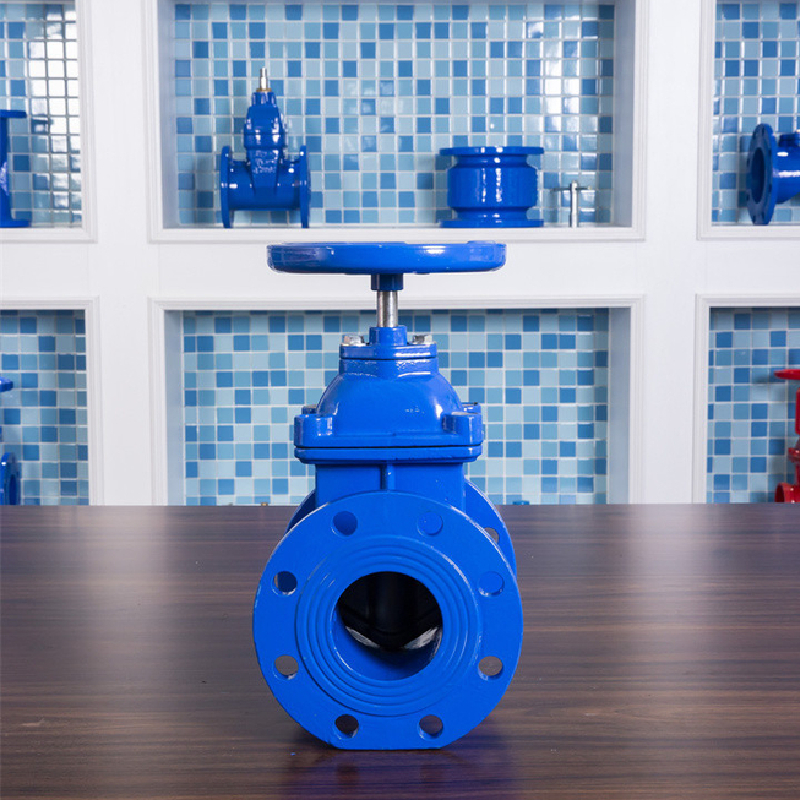
Understanding Water Shut-Off Valves Importance, Types, and Installation Water shut-off valves are es
 English